Tips for Creating a Productive Home Office Environment
Creating a productive home office environment is essential for anyone working remotely or running a business from their own space. A well-organised and thoughtfully designed workspace can improve focus, boost efficiency, and make your working hours more enjoyable.
In this article, we’ll explore practical tips that help you build a productive home office setup, covering everything from choosing the right location to managing distractions effectively.
Choose the Right Location
The first step in creating a productive home office is selecting an appropriate space. Ideally, this should be a quiet area away from high-traffic zones in your home.
– Privacy: Pick a spot where you can work uninterrupted, whether it’s a separate room or a corner in a spare bedroom.
– Natural Light: Try to position your desk near a window. Natural light improves mood and energy, which supports better focus.
– Ventilation: Ensure good airflow to make the space comfortable throughout the day.
If a dedicated room isn’t possible, use screens or room dividers to separate your workspace from living areas.
Invest in Comfort and Ergonomics
Comfort plays a significant role in productivity. Invest in ergonomic furniture that supports good posture and reduces physical strain.
– Desk and Chair: Choose a desk at the right height and an adjustable chair with lumbar support.
– Monitor Position: Place your monitor at eye level to prevent neck strain.
– Keyboard and Mouse: Use ergonomic versions if you spend hours typing or clicking.
Remember to take regular breaks to stretch and avoid sitting for too long, as even the best setup needs movement to keep you energised.
Organise Your Workspace
Clutter can be distracting, so keep your home office tidy and well-organised.
– Storage Solutions: Use shelves, drawers, or filing cabinets to store documents and supplies.
– Cable Management: Use clips or cable boxes to keep cords tidy and prevent tangling.
– Minimalism: Only keep essential items on your desk to reduce distractions.
A clean desk encourages a clear mind, making it easier to focus on the task at hand.
Pay Attention to Lighting
Proper lighting is crucial for reducing eye strain and maintaining alertness.
– Natural Light: Maximise daylight, but avoid glare on screens.
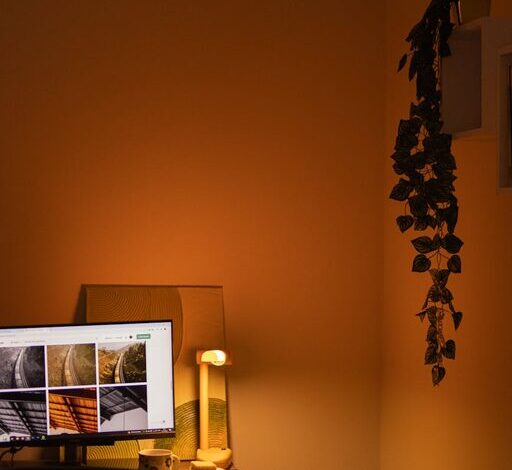
– Task Lighting: Use adjustable desk lamps with soft white light for detailed work.
– Ambient Lighting: Combine overhead and floor lamps to create a balanced and comfortable environment.
If your room lacks windows, full-spectrum bulbs can mimic daylight and improve your mood.
Limit Distractions
Working from home can come with many distractions. Setting boundaries helps boost concentration and productivity.
– Establish Working Hours: Communicate your schedule to family or housemates.
– Limit Noise: Use noise-cancelling headphones or white noise machines.
– Digital Distractions: Turn off non-essential notifications and use apps to block distracting websites during work hours.
Creating routines and sticking to them can also help train your mind to focus during work time.
Personalise Your Space
Adding personal touches can make your home office feel inviting and motivate you to work.
– Decor: Use colours and artwork that inspire you without causing distraction.
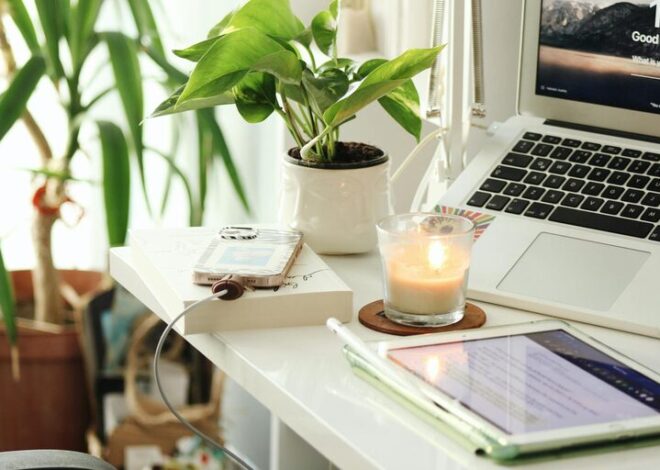
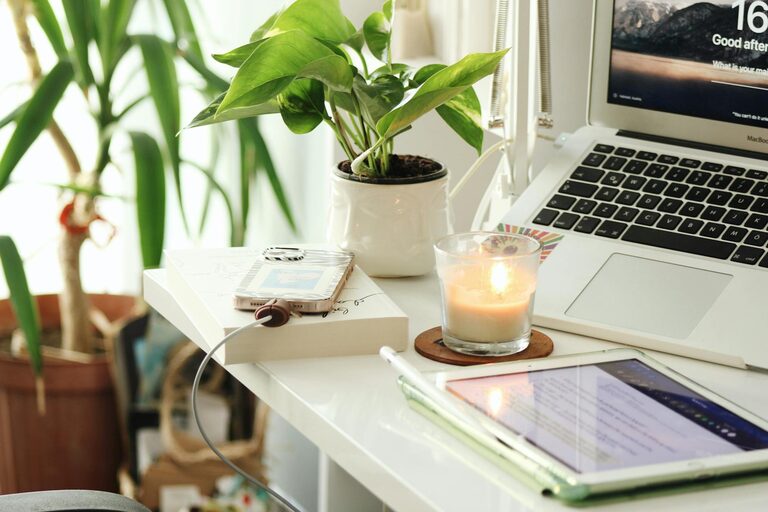
– Plants: Indoor plants improve air quality and add a calming effect.
– Inspiring Items: Keep a few meaningful objects or quotes nearby as motivation.
A workspace that reflects your personality can boost your mood and creativity.
Use Technology Wisely
Ensure your home office is equipped with the right technology for smooth workflow.
– Reliable Internet: A fast and stable connection is crucial for video calls and online work.
– Quality Hardware: Invest in a good computer, headset, and webcam if necessary.
– Organisational Tools: Use apps for scheduling, task management, and note-taking to stay organised.
Regularly updating software and maintaining your devices prevents avoidable interruptions.
Maintain Work-Life Balance
Finally, creating a productive home office involves more than setting up physical space—it’s about balancing work and personal life.
– Separate Work and Leisure: Avoid working from your bed or sofa to keep work and rest distinct.
– End-of-Day Routine: Signal the end of your workday by tidying your desk or shutting down your computer.
– Take Breaks: Step outside for fresh air or do light exercise to recharge.
Prioritising your well-being alongside productivity will help sustain your efficiency over the long term.
—
By following these tips, you can create a home office environment that supports your professional goals while making daily work more comfortable and enjoyable. With the right space, tools, and mindset, productivity at home is entirely achievable.