Tips for Creating a Productive Home Office Environment
Creating a productive home office environment is essential for anyone working remotely or running their own business from home. A well-organised and comfortable workspace can significantly improve focus, motivation, and overall work performance. Whether you’re new to working from home or looking to enhance your current setup, these tips will help you create a space that supports productivity and wellbeing.
Choose the Right Location
The first step in creating a productive home office is selecting the right spot. Ideally, this should be a quiet area with minimal distractions. Avoid high-traffic zones such as the kitchen or living room if possible.
Consider natural light
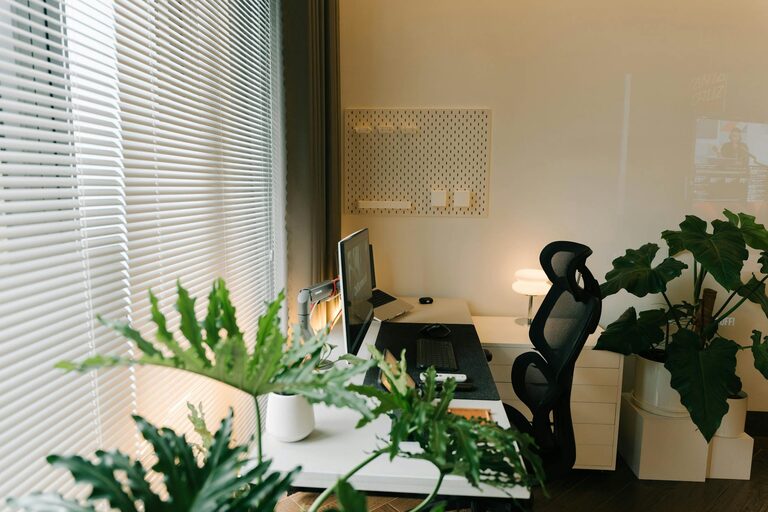
Natural daylight can boost mood and energy levels, so try to position your desk near a window. If natural light is limited, use bright, adjustable lighting to reduce eye strain.
Evaluate noise levels
If you live in a noisy environment, consider noise-cancelling headphones or soundproofing options like rugs, curtains, or wall panels.
Invest in Ergonomic Furniture
Comfort is key to staying focused and avoiding physical discomfort, especially during long hours of work.
– Ergonomic chair: Choose one that provides good lumbar support and adjustable height.
– Desk height: Your desk should allow your elbows to be at a 90-degree angle when typing.
– Keyboard and mouse: Position these so your wrists remain straight to prevent strain.
Taking care of your posture not only improves comfort but also helps prevent repetitive strain injuries.
Organise Your Workspace
Clutter can hamper concentration, so keeping your workspace tidy is important.
– Declutter regularly: Remove unnecessary items and tidy up at the end of each day.
– Storage solutions: Use shelves, drawers, and organisers to keep essentials within reach but out of sight.
– Cable management: Use clips or ties to organise cables and prevent a tangled mess.
An organised desk sends a signal to your brain that it’s time to focus.
Set Boundaries and a Schedule
Working from home can blur the lines between work and personal life.
– Define your work hours: Set clear start and finish times to maintain a routine.
– Communicate boundaries: Let family or housemates know when you should not be disturbed.
– Take breaks: Schedule regular short breaks to stretch, rest your eyes, and recharge.
Boundaries create structure and help maintain a better work-life balance.
Personalise Your Space
Adding a personal touch can make your office more inviting and reduce stress.
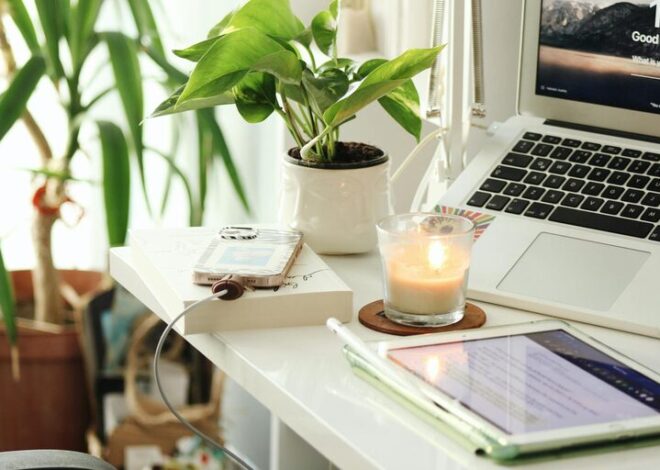
– Plants: Indoor plants provide fresh air and a calming presence.
– Inspiring decor: Use artwork, photos, or motivational quotes that uplift your mood.
– Comfort items: A cosy blanket or a favourite mug can make your workspace feel homely.
However, avoid overcrowding your desk with too many items, which can be distracting.
Use Technology to Your Advantage
Leveraging technology can streamline tasks and improve productivity.
– Reliable internet connection: A stable, fast connection is essential for meetings and research.
– Productivity apps: Tools like calendars, task managers, and focus timers can help you stay organised.
– Noise-cancelling headphones: These can minimise distractions during calls or deep work.
Keep devices updated and maintain good cybersecurity practices to protect your work.
Pay Attention to Air Quality and Temperature
A comfortable environment supports focus and health.
– Ventilation: Ensure your home office has good air circulation.
– Temperature control: Aim for a comfortable temperature, usually between 20-22°C.
– Air quality: Consider air purifiers if needed, especially in enclosed spaces.
Small adjustments can make a noticeable difference in how pleasant your workspace feels.
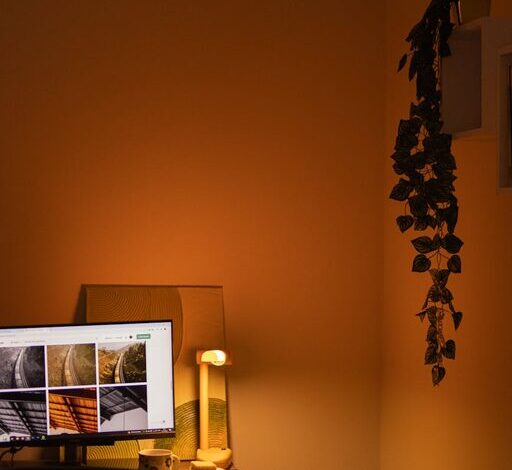
Maintain Good Lighting
Besides natural light, artificial lighting plays a vital role.
– Task lighting: A desk lamp helps illuminate your workspace without causing glare on screens.
– Avoid overhead glare: Position lighting to prevent shadows or reflections.
– Adjust brightness: Use dimmable lights if possible to suit different times of day.
Good lighting reduces eye fatigue and keeps you alert.
Create a Work Ritual
A daily ritual signals the start and end of your workday and helps your brain switch modes.
– Morning routine: This could include making a cup of tea, reviewing your to-do list, or a short meditation.
– Workspace preparation: Tidy your desk and set out necessary materials before you begin.
– End-of-day ritual: Close your laptop, organise your tasks for tomorrow, and switch off work notifications.
Rituals provide a sense of control and mark the boundary between work and relaxation.
—
By following these tips, you can create a home office environment that promotes productivity, comfort, and well-being. Remember, everyone’s ideal workspace looks different, so experiment with what works best for you and adapt as needed. A thoughtfully set up home office is an investment in your professional success and personal happiness.