
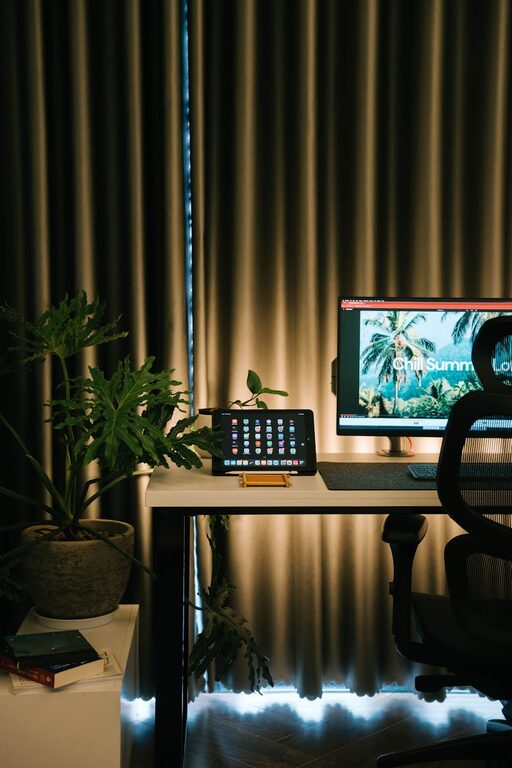
How to Create a Relaxing and Productive Home Office Environment
Creating a home office that supports both productivity and relaxation can significantly improve your work-from-home experience. With many people spending more time working at home, the way your workspace is arranged can influence your focus, motivation, and overall happiness. Below, we’ll explore effective strategies to help you design a home office environment that allows you to work efficiently while feeling calm and comfortable.
1. Choose the Right Location
Finding the ideal spot for your home office is the first step towards creating an effective workspace.
– Quiet and Separate: Aim for a space that is quiet and as separate as possible from the main living areas to minimise distractions.
– Natural Light: Position your desk near a window if you can, as natural light can boost mood and reduce eye strain.
– Ventilation: Good airflow is essential for comfort and alertness, so avoid cramped or stuffy corners.
2. Invest in Ergonomic Furniture
Comfort is key when you spend hours at your desk. Ergonomic furniture supports your body and helps prevent strain.
– Adjustable Chair: Choose a chair with good lumbar support, adjustable height, and armrests.
– Desk Height: Your desk should be at a height that allows your forearms to rest parallel to the floor when typing.
– Footrest: If your feet don’t comfortably touch the ground, consider a footrest to improve posture.
3. Organise Your Space Effectively
A tidy workspace encourages productivity and reduces stress.
– Declutter Regularly: Remove items that aren’t essential to keep a clear work surface.
– Storage Solutions: Use shelves, drawers, and organisers to keep paperwork and supplies orderly.
– Cable Management: Use clips or cable organisers to prevent cords from tangling or looking messy.
4. Optimise Lighting
Proper lighting can reduce fatigue and create a welcoming atmosphere.
– Task Lighting: Use a desk lamp with adjustable brightness for focused work.
– Avoid Glare: Position screens to avoid reflections and glare from windows or lights.
– Ambient Lighting: Soft overhead lighting or indirect light sources help avoid harsh contrasts.
5. Personalise Your Workspace
Adding personal touches can make your office feel inviting and motivate you.
– Plants: Indoor plants improve air quality and add calming greenery.
– Artwork and Photos: Display images or items that inspire and bring joy.
– Colours: Use colours known to enhance productivity and calmness, such as soft blues or greens.
6. Minimise Distractions
To maintain focus, minimise interruptions in your workspace.
– Noise Control: Use noise-cancelling headphones or play gentle background music if helpful.
– Separate Work and Leisure: Avoid placing your desk near spaces where leisure activities happen.
– Set Boundaries: Make it clear to household members when you are working to reduce interruptions.
7. Incorporate Break Areas
Taking regular breaks refreshes your mind and body.
– Comfortable Seating: Have a chair or corner where you can step away from your desk.
– Stretching Space: Allow enough room to stretch or do light movement during breaks.
– Refreshments: Keep water and healthy snacks nearby to stay hydrated and energised.
8. Utilise Technology Wisely
Technology can enhance your home office but should be managed to avoid overwhelm.
– Efficient Setup: Invest in reliable devices such as a good-quality computer, printer, and accessories.
– Software Tools: Use apps for task management, communication, and focus.
– Limit Notifications: Turn off non-essential notifications to minimise distractions.
9. Maintain a Routine
Establishing routines helps create consistency and balance.
– Start and Finish Times: Define your working hours clearly to maintain work-life boundaries.
– Daily Planning: Begin each day by listing priorities and organising tasks.
– Regular Exercise: Schedule time for physical activity to clear your mind.
Conclusion
Creating a home office that is both relaxing and productive involves thoughtful choices about your space, furniture, lighting, and habits. By incorporating ergonomics, organisation, personal touches, and clear boundaries, you can transform your workspace into a supportive environment that helps you work efficiently while feeling comfortable and calm. Whether you’re starting fresh or improving an existing office, these simple tips can make a considerable difference in your home working experience.
