Tips for Organising Your Home Office to Boost Productivity
Creating an organised home office can make a significant difference to your productivity and overall work experience. Whether you work remotely, run your own business, or need a dedicated space for personal projects, a well-arranged workspace helps reduce distractions, streamline tasks, and keep you motivated. In this post, we’ll explore practical tips to help you organise your home office effectively and boost your day-to-day productivity.
Why Organising Your Home Office Matters
When your workspace is cluttered or disorganised, it’s easy to feel overwhelmed and lose focus. Clutter can make it harder to find documents, reduce your motivation, and increase stress. A tidy and well-planned office, on the other hand, encourages clear thinking, increases efficiency, and creates a pleasant environment you want to work in.
Step 1: Choose the Right Location
The first step to an organised home office is selecting the best spot in your home.
– Consider natural light: A workspace near a window improves mood and reduces eye strain.
– Minimise distractions: Choose a quiet area away from high-traffic rooms or noisy appliances.
– Space for essentials: Ensure there’s enough room for your desk, chair, storage, and any equipment you need.
If space is limited, consider creative options such as a corner desk, a foldaway table, or a dedicated cupboard that can be closed when not in use.
Step 2: Declutter Your Space
Before organising, it’s essential to clear out unnecessary items.
– Sort through paperwork: Recycle outdated or irrelevant documents, and file what you need.
– Remove non-work items: Keep personal or unrelated objects out of sight to maintain focus.
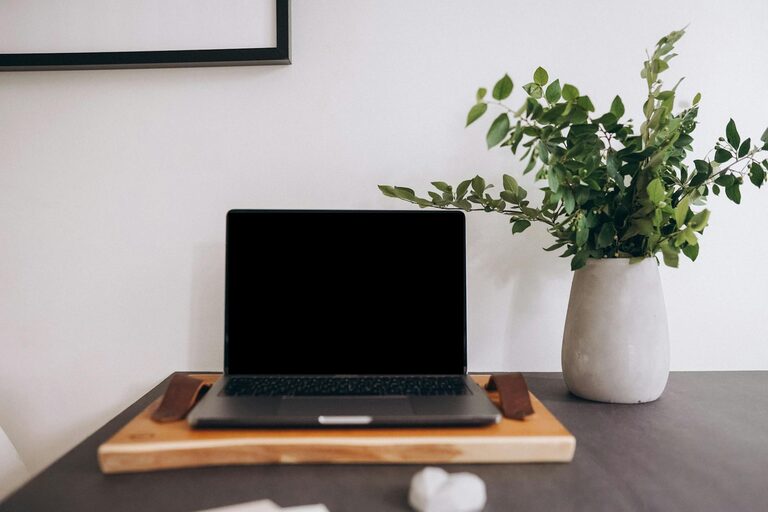
– Limit desk items: Only keep daily essentials on your desk such as your computer, notebook, and stationery.
Decluttering helps create a minimalist workspace that will feel less overwhelming and simpler to maintain.
Step 3: Invest in Functional Furniture
Comfort and functionality go hand in hand in a productive home office.
– Ergonomic chair: Supports good posture, reducing back and neck strain during long working hours.
– Spacious desk: Allows you enough surface area to work comfortably and organise items neatly.
– Storage solutions: Shelves, filing cabinets, or desk organisers will keep your supplies tidy.
If possible, try a sit-stand desk or adjustable desk accessories to alternate your working position throughout the day.
Step 4: Use Storage Wisely
Proper storage is crucial to maintaining order and finding what you need without hassle.
– Categorise items: Keep documents, electronics, stationery, and reference materials in separate labelled containers or drawers.
– Vertical storage: Use wall-mounted shelves or pegboards to save desk space and display items you use regularly.
– Cable management: Employ cable clips, ties or sleeves to keep cords neat and avoid tangles.
Regularly review your storage to discard what’s no longer necessary and keep only what’s useful.
Step 5: Optimise Lighting
Good lighting improves concentration and reduces eye fatigue.
– Maximise daylight: Arrange your desk near windows but avoid direct glare on screens.
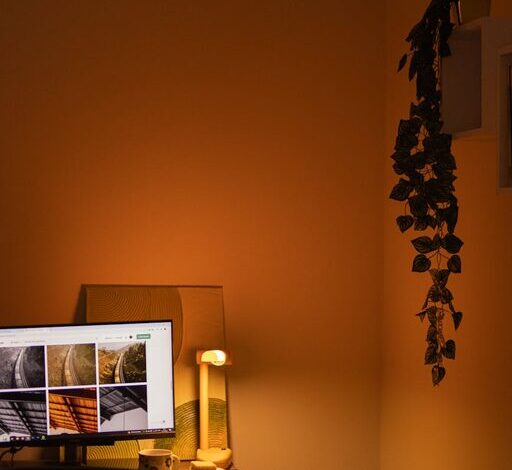
– Task lighting: Use an adjustable desk lamp with warm, focused light for reading or detailed work.
– Ambient lighting: Soft overhead lighting complements your space and prevents harsh shadows.
Avoid harsh fluorescents that can cause headaches; natural mimicry or LED options are better choices.
Step 6: Create a Workflow-Friendly Layout
Arrange your furniture and equipment to maximise comfort and efficiency.
– Frequently used items: Keep them within arm’s reach to avoid unnecessary movement.
– Clear pathways: Maintain easy access to all parts of your office.
– Dedicated zones: Separate areas for computer work, paperwork, and storage can help you switch tasks smoothly.
Think about your working habits and design the layout to support your natural flow.
Step 7: Add Personal Touches Without Clutter
A home office should inspire you without distracting from your work.
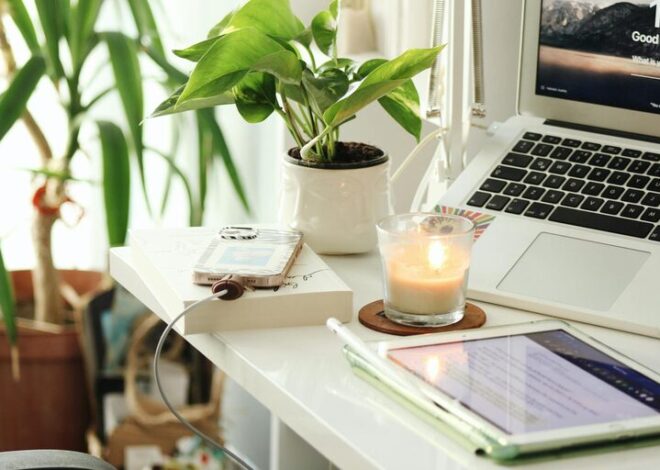
– Minimal décor: Choose a few items that bring you joy, like a plant or artwork.
– Inspiring quotes: Display motivational messages to keep you positive.
– Comfort elements: A small cushion, a cosy rug, or background music can make your space welcoming.
Remember, the goal is to create a balanced environment that promotes focus and wellbeing.
Step 8: Maintain Your Organised Office
Organisation is an ongoing process.
– Daily tidy-up: Spend 5 to 10 minutes at the end of each day putting things back in their place.
– Weekly review: Reassess your supplies, declutter, and reorganise if needed.
– Digital organisation: Keep your computer files and emails sorted with regular backups and clean-ups.
With consistent care, your home office will remain a productive and pleasant environment.
Final Thoughts
Organising your home office doesn’t have to be complicated or expensive. By choosing the right location, decluttering regularly, investing in functional furniture, and thoughtfully arranging your space, you can create a workspace that energises you. The right environment helps you focus better, manage your time efficiently, and ultimately get more done with less stress.
Take small steps and adapt these tips to fit your unique needs and lifestyle. Your ideal home office awaits!