Tips for Creating a Cosy and Functional Home Office Space
Creating a home office that is both cosy and functional can greatly enhance your work-from-home experience. Whether you have a dedicated room or a small corner, the right setup can boost productivity, reduce stress, and make your working hours more enjoyable. Here are some helpful tips to design a space that meets your needs and feels welcoming at the same time.
Choose the Right Location
The first step is finding the best spot in your home for your office. Ideally, select a quiet area with minimal distractions. If possible, use a separate room to help create a clear boundary between work and personal life. If space is limited, consider a nook or a corner with enough room for your essentials.
Consider Natural Light
Natural light is key to a cosy workspace. Position your desk near a window to take advantage of daylight. It not only brightens the room but also helps improve your mood and energy levels. If natural light is limited, invest in good-quality lighting that mimics daylight to reduce eye strain.
Invest in Comfortable Furniture
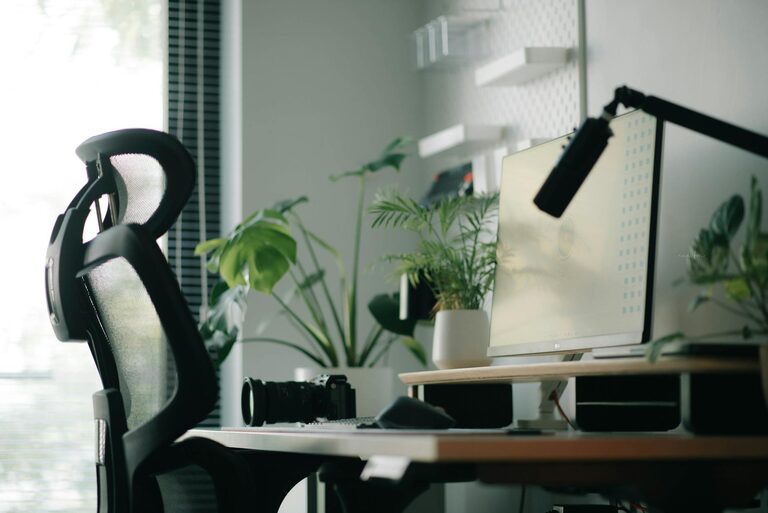
Comfort is crucial when spending hours working at your desk. Choose an ergonomic office chair that supports your back and encourages good posture. A desk at the right height will also help prevent discomfort.
Desk Choices
The desk should be large enough to accommodate your computer, paperwork, and any other tools you use regularly. Adjustable desks can be a good option if you want to alternate between sitting and standing during the day.
Organise Your Space Efficiently
A tidy workspace can make a big difference in how you feel and work. Use storage solutions like shelves, drawers, or filing cabinets to keep everything organised and within reach.
Declutter Regularly
Remove unnecessary items frequently to maintain a clean desk. A clutter-free environment can enhance focus and reduce stress.
Personalise Your Workspace
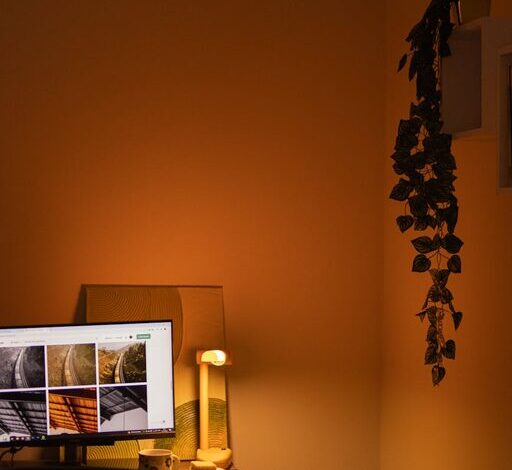
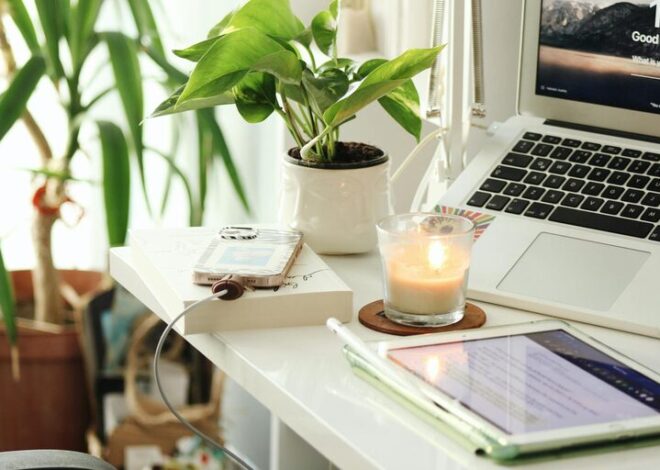
Adding personal touches helps make your office cosy. Choose colours and decor that you find calming or inspiring. Plants, artwork, or photos can create a welcoming atmosphere.
Colours and Textures
Soft colours such as pastels or earthy tones often promote relaxation. Textured items like cushions or rugs can add warmth and comfort.
Manage Technology Wisely
Keep your technology organised to avoid a tangled mess of cables. Use cable organisers or clips to keep wires neat.
Reliable Equipment
Make sure your computer, printer, and other devices are reliable and up-to-date to avoid technical frustrations.
Incorporate Break Areas
If space allows, include a small area nearby to take breaks. A comfy chair or a small sofa can encourage you to step away from your desk and recharge.
Pay Attention to Acoustics
Background noise can be distracting. Use rugs, curtains, or soft furnishings to absorb sound and create a quieter work environment. Noise-cancelling headphones are another practical idea if you deal with household noise.
Keep Essentials Close
Make sure your most-used items are within arm’s reach. This could include stationery, notebooks, or a water bottle. Staying hydrated and having easy access to supplies helps keep you focused.
Maintain Good Air Quality
Good ventilation improves concentration and comfort. Open windows when you can, or use an air purifier to keep the air fresh.
Set Clear Boundaries
To enhance functionality, establish boundaries between work time and personal time. Clearly define your work area, especially if it shares space with living areas, so you can mentally switch off after work.
—
Designing a home office that balances comfort and practicality takes some thought, but the benefits are well worth it. By choosing the right location, investing in comfortable furniture, organising effectively, and personalising your space, you can create a workspace that supports your productivity and wellbeing for the long term.